Material Matched to Your Home
Residential Roofing in Weatherford for single-family homes requiring installation or repair after storm damage
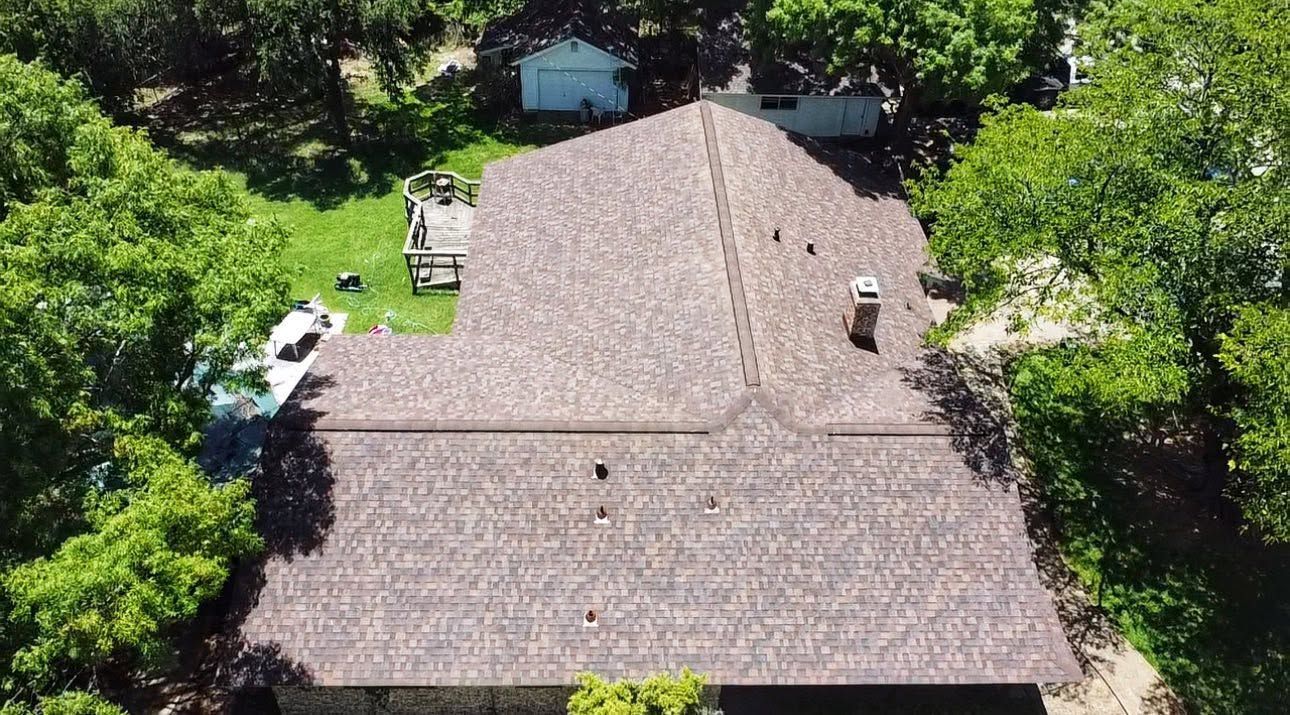
Asphalt shingle roofs last 20 to 25 years in North Texas before granule loss, thermal cycling, and UV exposure degrade the material enough to cause leaks, while metal roofs extend that lifespan significantly but require different fastening methods and thermal expansion details to prevent panel seams from separating. Residential roofing includes both new installation for homes being built or completely re-roofed and repair work that addresses localized damage from hail, wind, or fallen tree limbs without replacing the entire roof system. TripleC Roofing TX installs and repairs residential roofs throughout Weatherford using material selections matched to home style, roof pitch, and climate exposure factors like wind speed, hail frequency, and winter ice dam risk that vary across the DFW area.
Material choice depends on whether you prioritize upfront cost, long-term durability, or specific aesthetic requirements—asphalt shingles offer the lowest installation cost and widest color selection, metal roofing provides superior hail resistance and lifespan but requires professional installation to avoid thermal expansion failures at seams and fastener points, and flat roof sections on porches or garage extensions need membrane systems like TPO or MODBIT that handle standing water without relying on gravity drainage. The installation process includes attic inspection that confirms ventilation pathways are clear and roof decking is structurally sound, because installing new material over rotted substrate or blocked ventilation causes premature failure and voids manufacturer warranties that require proper substrate preparation.
Arrange a home inspection to evaluate current roof condition and identify which material options meet your durability and budget requirements given your home's specific exposure and structural characteristics.
What Changes After Installation Completes
Residential roof installation removes all old material down to the wood decking, replaces any damaged or rotted sections, installs ice and water shield along eaves and valleys where water concentration is highest, and fastens new shingles or metal panels at manufacturer-specified intervals to prevent wind uplift while allowing for thermal expansion. Ventilation is confirmed or corrected during installation so attic temperatures stay closer to outdoor temperatures, preventing ice dams in winter when heat escape melts snow on the roof surface and sends water back under shingles at the eaves where it refreezes and expands.
After installation finishes, your home will shed water cleanly off all roof planes without leaks during heavy rain or wind-driven storms, attic temperatures will stabilize because ventilation paths are no longer blocked by old material or improper installation, and hail strikes will cause less damage because upgraded impact-resistant shingles or metal panel thickness distributes impact force across a wider area instead of concentrating it at thin points that crack or puncture. Flashing around chimneys, vent pipes, and roof-to-wall transitions stays sealed because the installation included proper overlap and fastener placement, preventing water intrusion at these vulnerable connection points that cause most residential roof leaks.
Residential roofing work includes insurance claim coordination for homeowners with approved storm damage claims, warranty activation that separates material defect coverage from installation labor warranties, and final documentation with photos showing completed work and material lot numbers for future reference. TripleC Roofing TX manages the adjuster communication process so homeowners understand what the claim covers and what expenses are not included in the settlement, avoiding surprise costs during the project.
Questions Before Starting Your Project
Residential roofing decisions involve understanding how different materials perform under North Texas weather conditions and what installation details separate quality work from shortcuts that cause early failure.
How does roof pitch affect material selection and installation cost?
Steeper roofs require additional safety equipment and slower work pace, increasing labor cost, and some materials like certain metal panel profiles or low-slope membranes are not suitable for steep applications because they rely on minimal slope to function correctly or become unsafe to install at higher angles.
What happens during the attic inspection before residential roof installation?
The crew examines decking from below for soft spots indicating rot, checks rafter spacing and structural soundness, measures ventilation inlet area at soffits and outlet area at ridge vents, and documents any previous water damage or mold growth that must be corrected before new roofing material is installed.
Why do metal roofs require different fastening methods than asphalt shingles?
Metal expands and contracts significantly with temperature changes, so fasteners must allow movement while maintaining waterproof seals, and panel seams need expansion joints or overlapping details that accommodate thermal cycling without buckling or separating.
How often should residential roofs be inspected between installation and replacement in Weatherford?
Annual inspections after major storm seasons identify damage early when repairs are minor, and homeowners should schedule inspections after any hail event or high wind storm to document damage for insurance claims before additional weather events obscure which damage came from which storm.
What separates material warranties from labor warranties on residential roofing work?
Material warranties cover manufacturing defects like premature granule loss or membrane delamination and are issued by the product manufacturer, while labor warranties cover installation errors like improper fastener spacing or flashing gaps and are provided by the roofing contractor, with each covering different failure modes and lasting different time periods.
TripleC Roofing TX handles residential projects throughout Weatherford and coordinates all aspects of insurance claims for storm-damaged homes. Call (817) 308-2098 to schedule an inspection that evaluates your roof's current condition and discusses material options appropriate for your home's structure and your long-term durability expectations.