Attic Checks That Reveal Hidden Damage
Roofing Inspections in Weatherford for storm damage assessment and insurance claim preparation including comprehensive attic examination
Walking the roof surface shows obvious damage like missing shingles or dented flashing, but water intrusion often travels horizontally through the attic before showing up as ceiling stains in rooms far from the actual leak point. TripleC Roofing TX conducts roofing inspections that include attic access, checking for moisture damage, inadequate ventilation, and structural concerns that surface-only inspections miss entirely. This service spans Weatherford, Fort Worth, Granbury, and the surrounding communities where hail season creates concentrated demand for damage assessment and insurance claim documentation.
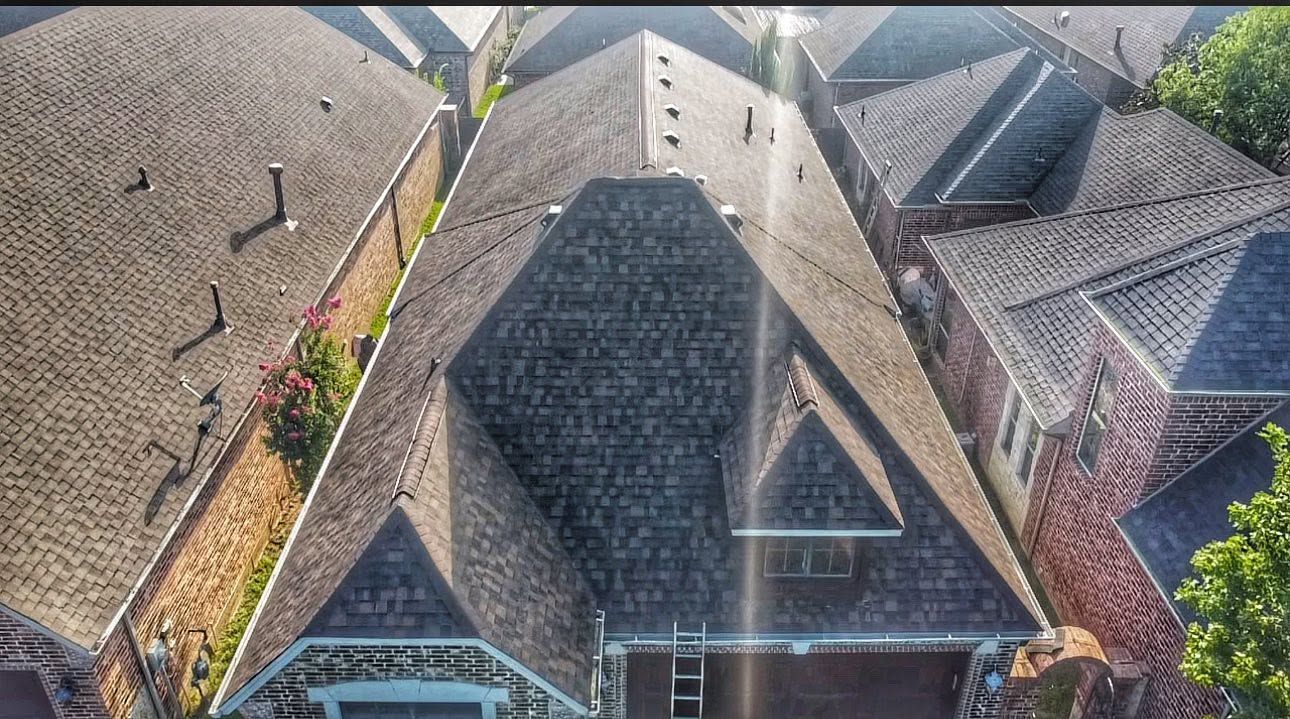
The inspection process starts on the roof, examining shingle condition, flashing integrity at penetrations, and valley installations where water concentrates during storms. The inspector then moves into the attic space, looking for water staining on decking, insulation compression from moisture exposure, and ventilation deficiencies that trap heat and moisture.
Schedule an inspection to document your roof's current condition and identify concerns before minor problems expand into major repairs.
What Comprehensive Inspections Actually Cover
Surface inspection covers the shingle field, checking for granule loss patterns that indicate hail impact, wind damage at ridge caps and starter courses, and seal failures where shingle tabs have lifted. Flashing examination focuses on chimneys, vent pipes, and wall intersections where metal transitions must shed water without creating entry points. Valley installations receive particular attention because these converging roof planes channel concentrated water flow that exploits any installation defects.
Attic inspection reveals what you can't see from ground level or even from the roof surface itself: water staining on the underside of decking that maps the leak's actual entry point, insulation that has been compressed by moisture and lost its thermal resistance, and ventilation problems where inadequate airflow causes summer heat buildup and winter condensation. Photo documentation captures both obvious damage and subtle indicators that insurance adjusters recognize as storm-related deterioration rather than normal wear.
The inspection report includes measurements, photographs organized by roof section, and specific findings about each concern identified. This documentation provides the evidence needed for insurance claims, where adjusters require proof that damage resulted from a covered event rather than deferred maintenance or installation defects.
What Property Owners Usually Ask
Roofing inspection requests often follow storm events or home purchase negotiations, when property owners need professional documentation of roof condition and remaining service life for insurance and transaction purposes.
What specific evidence do insurance adjusters look for during hail damage claims?
Adjusters examine shingle granule loss patterns, dented metal flashing and vents, and the density of impact points across different roof sections. Consistent damage patterns across the entire roof support replacement approval, while isolated damage may result in repair-only coverage regardless of the roof's age or overall condition.
How does attic inspection differ from surface-only roof examination?
Attic access reveals moisture intrusion, ventilation inadequacy, and structural damage invisible from the roof surface. Water travels along rafters and decking before dripping into living spaces, so ceiling stains often appear far from the actual leak source—a mystery that attic inspection solves by tracing staining patterns back to their origin points.
When should property owners schedule routine inspections versus post-storm assessments?
Routine inspections every three to five years document gradual deterioration and identify minor repairs before they expand into major failures. Post-storm inspections should occur within weeks of significant hail or wind events, while the storm date remains within the insurance policy's claim filing window and before additional weather events complicate damage attribution.
Why do inspections include ventilation assessment during damage evaluation?
Inadequate attic ventilation causes premature shingle failure through excessive heat buildup that cooks shingles from below, shortening their service life independent of storm damage. Identifying ventilation deficiencies during inspection prevents mistaking heat-related deterioration for impact damage and documents conditions that will affect any replacement roof's longevity.
How do inspection findings affect roof replacement versus repair decisions?
Inspection reports quantify damage extent, remaining shingle life, and underlying deck condition—the factors that determine whether insurance coverage and practical economics favor repair or full replacement. In Weatherford and surrounding North Texas communities, where hail frequency tests roofing systems regularly, documentation from TripleC Roofing TX's experienced crew supports informed decisions about addressing current damage versus planning for inevitable future replacement.
TripleC Roofing TX provides insurance-ready inspection reports with the documentation, photographs, and damage assessment detail that streamline claim processing and support accurate coverage decisions. Request a comprehensive inspection that includes attic examination to understand your roof's actual condition beyond what's visible from ground level or even surface observation.